Skip to content
Last updated: May 8, 2026
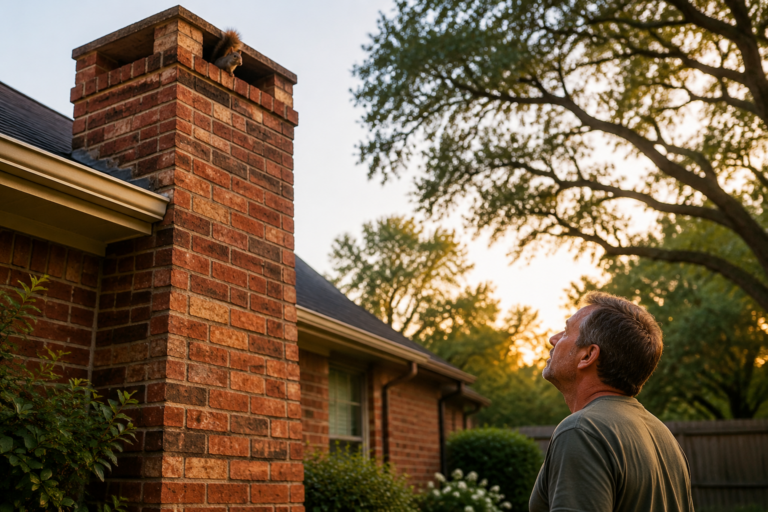
If you have an animal in your chimney in Dallas, keep the damper closed, avoid lighting any fire, and contact a licensed chimney or wildlife removal professional immediately. Flying animals like birds and bats may exit on their own, but squirrels and raccoons typically cannot climb out due to soot and creosote buildup and will need professional intervention. Some species, including chimney swifts and bats, are federally protected and cannot be legally removed during nesting season.
Key Takeaways
- Scratching, chirping, or fluttering sounds from your fireplace almost always indicate a trapped or nesting animal
- Never light a fire to scare an animal out; it can kill the animal and create a serious fire hazard
- Squirrels and raccoons are the most likely to become permanently stuck due to smooth, sooty flue walls
- Chimney swifts and bats are protected under the Migratory Bird Treaty Act; removal must wait until they leave naturally
- Professional animal removal in Dallas starts around $99, with pricing varying based on species, access, and cleanup required
- After any animal removal, a thorough chimney inspection and cleaning is essential before using the fireplace again
- Installing a chimney cap with an animal guard is the single most effective prevention measure available
- DIY removal attempts frequently injure the animal, damage the flue liner, or push the animal further down into the firebox
What Are the Signs You Have an Animal in Your Chimney in Dallas?
The most common signs of a chimney animal intrusion are audible: scratching, rustling, chirping, or thumping sounds coming from the fireplace wall or firebox area. These sounds are often most noticeable at dawn and dusk when wildlife is most active.
Beyond noise, homeowners should watch for:
- Foul odors coming from the fireplace, which can indicate a deceased animal or accumulated waste
- Debris falling into the firebox, such as twigs, leaves, or nesting materials
- Visible movement near the damper or smoke shelf when the firebox door is open
- Unusual smoke behavior when the fireplace is in use, suggesting a blockage from a nest
- Staining or droppings around the firebox opening
Dallas homeowners in neighborhoods like Highland Park, Lakewood, and Oak Cliff are particularly likely to encounter wildlife intrusions because of the area’s mature tree canopy, which gives squirrels and raccoons easy rooftop access. If you’re hearing noises but aren’t sure whether it’s the chimney or the attic, a professional chimney inspection in Dallas can quickly confirm the source.
Common mistake: Many homeowners assume the sounds are from the attic or walls and delay investigation. Waiting too long, especially in warm months, can result in a deceased animal and a much more complex cleanup situation.
Which Animals Commonly Get Trapped in Dallas Chimneys?
Dallas’s urban wildlife population is dense and diverse, and several species regularly enter chimneys either by accident or intentionally for nesting. Each animal behaves differently once inside, which affects how removal should be handled.
| Animal | Entry Reason | Can Self-Exit? | Legal Protections | Recommended Removal |
|---|---|---|---|---|
| Chimney Swift | Nesting (intentional) | Yes, when ready | Yes (Migratory Bird Treaty Act) | Wait; do not disturb |
| Bird (other) | Accidental fall | Usually yes | Varies by species | Open damper carefully; guide out |
| Bat | Roosting | Yes | Yes (varies by state) | Wait for natural exit; cap afterward |
| Squirrel | Accidental fall | Rarely | No | Professional removal required |
| Raccoon | Nesting (females) | Sometimes | No | Professional humane trapping |
| Opossum | Accidental | Rarely | No | Professional removal |
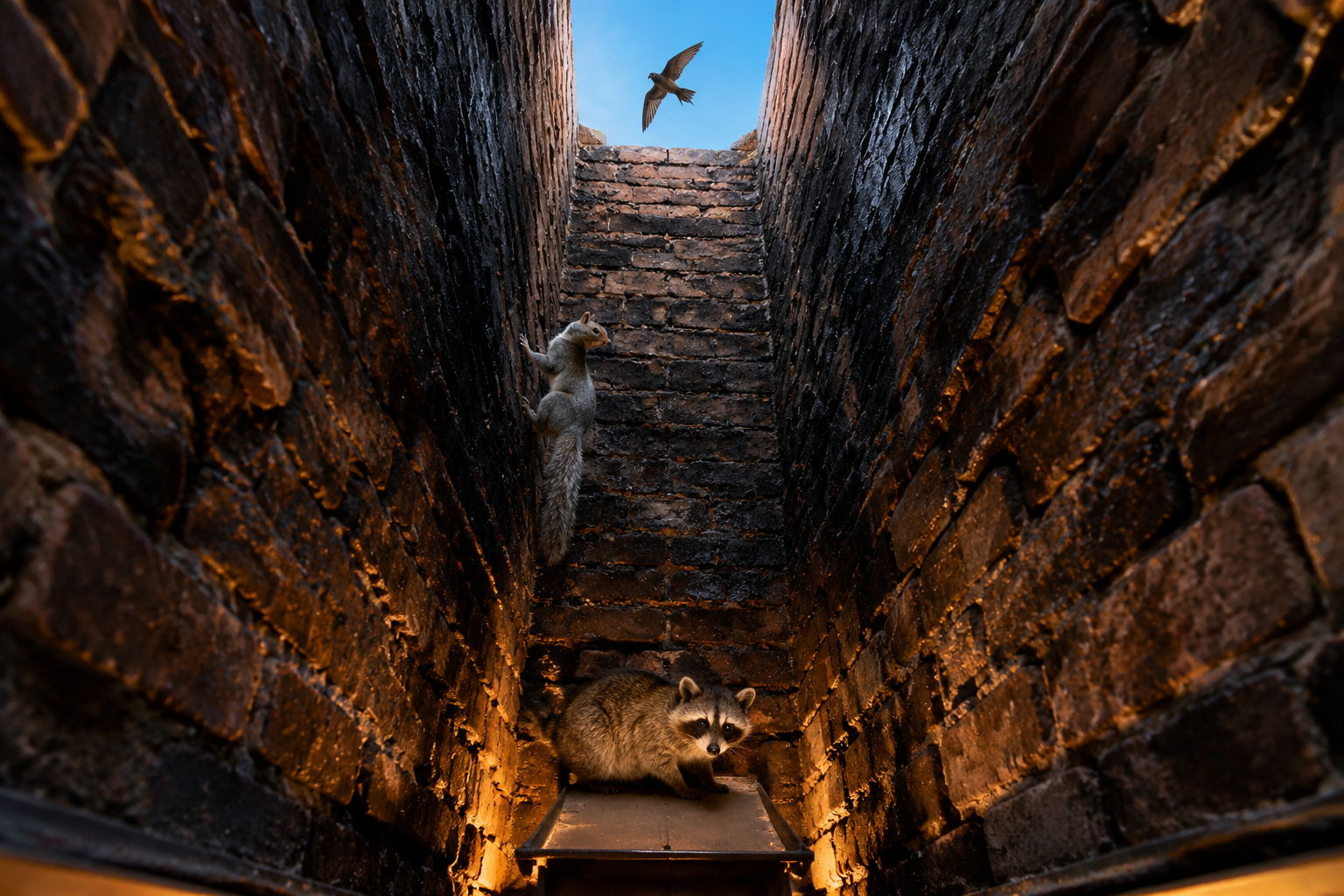
Squirrels and raccoons are the most problematic. Both struggle to climb out of a flue because creosote and soot coat the walls, eliminating the grip they’d normally have on a rough surface. Raccoons, in particular, are drawn to chimneys as denning sites, and a female raccoon in spring is likely nursing a litter of kits inside the flue.
Chimney swifts are worth a special mention. These small, insectivorous birds are a protected migratory species, and their presence in a Dallas chimney during nesting season (roughly April through October) means the homeowner must simply wait. Attempting to remove them or destroy the nest during active use is a federal violation. The good news is that swifts leave on their own once the young are fledged, after which the nest can be removed and a cap installed.
How Do You Safely Handle an Animal in Your Chimney in Dallas Before Help Arrives?
The most important immediate action is to keep the damper firmly closed. This prevents the animal from entering the living space, which creates a far more chaotic and potentially dangerous situation, particularly with raccoons or bats.
Step-by-step interim actions:
- Close the damper if it isn’t already. If the damper is already open and the animal has entered the room, confine it to one space and open an exterior door or window.
- Do not light a fire. This cannot be overstated. Fire does not drive animals upward and out; it more often panics them, causes them to fall further, or kills them in place, leading to a much worse odor and cleanup problem.
- Minimize household noise near the fireplace. Loud sounds stress the animal and can cause it to injure itself against the flue walls.
- Keep pets and children away from the fireplace area entirely.
- If it’s a squirrel above the damper, some professionals suggest lowering a thick rope (approximately three-quarters of an inch in diameter) tied securely at the top of the chimney and hanging down into the flue. A healthy squirrel may use this to climb out within a few hours. This is a reasonable temporary measure, but it only works if the animal is above the damper and physically capable of climbing.
- Call a professional. For raccoons, bats, or any situation where the animal is below the damper or in distress, professional help is the right call.
For a broader understanding of what’s happening structurally inside your chimney during an intrusion, the ALC Chimney Service animal removal guide for Dallas covers the process in detail.
What Are the Professional Removal Methods for Each Animal Type?
Professional wildlife and chimney technicians use species-specific approaches, and this is one area where DIY attempts tend to go wrong. The tools and techniques differ meaningfully depending on what’s inside.
For birds: Most non-protected birds can be guided out by carefully opening the damper and allowing them to fly toward a light source. Professionals may use exclusion funnels at the chimney top that allow exit but prevent re-entry.
For chimney swifts and bats: Exclusion devices are installed at the flue opening after the animals have naturally exited for the evening. These one-way devices allow the animals to leave but not return. Since bats and swifts are protected, this exclusion approach is the only legal option during active nesting periods.
For squirrels: Licensed technicians typically use specialized chimney traps positioned at the top of the flue. As the squirrel attempts to exit, it enters the trap. If baby squirrels are present lower in the flue, they can then be retrieved by hand once the adult is secured. Ground-level cage traps at the base of the chimney are sometimes used as a secondary option, though their success rate is lower.
For raccoons: Humane live traps are the standard approach. Because raccoons are strong and can carry diseases including rabies and distemper, this is firmly a job for professionals with proper safety equipment. If a mother raccoon is present, her kits must be located and removed as a group, or the mother will cause significant damage attempting to return.
After any removal, a professional chimney cleaning in Dallas is necessary to remove nesting materials, feces, and debris that can block airflow or create a fire hazard.
What Does Professional Animal Removal in Dallas Cost?
Professional animal removal services in Dallas typically start around $99 for an inspection and basic removal, with total costs varying based on species, accessibility, the number of animals, and whether post-removal cleanup and prevention work is included.
Rough cost breakdown (estimates; actual quotes will vary):
- Initial inspection: $99 and up
- Bird or bat exclusion: $150 to $400, depending on flue access and season
- Squirrel removal: $200 to $500, more if babies are present
- Raccoon removal: $300 to $700 or more, particularly if a litter is involved
- Nest removal and flue cleaning: $100 to $300 additional
- Chimney cap installation with animal guard: $150 to $400 depending on flue size and cap type
It’s worth noting that the cost of professional removal is almost always less than the cost of repairing damage caused by a prolonged infestation or a botched DIY attempt. Raccoons, in particular, can damage flue liners, mortar joints, and damper assemblies. For current pricing on related chimney work, the Dallas chimney repair cost guide for 2026 provides useful context.
Choose professional services if: The animal is a raccoon, there are signs of babies, the animal has been in the flue for more than 24 hours, or you suspect the animal may be deceased. These scenarios carry health risks and require proper equipment.
Are There Legal Considerations for Removing Wildlife from Your Chimney?
Yes, and this is an area where well-meaning homeowners can inadvertently break federal law. The Migratory Bird Treaty Act (MBTA) protects hundreds of bird species, including chimney swifts, from being killed, captured, or disturbed during active nesting. Bats are protected under various state and federal regulations as well.
In Texas, the Texas Parks and Wildlife Department regulates the handling of native wildlife. Raccoons and squirrels are considered nuisance wildlife and can be legally trapped and relocated, but there are rules about how and where relocation can occur. A licensed wildlife removal professional understands these regulations and handles the paperwork and procedures accordingly.
Key legal points for Dallas homeowners:
- Chimney swifts: Federally protected; nest cannot be removed while active
- Bats: Protected in Texas; exclusion (not extermination) is the only legal method
- Migratory birds: Cannot be harmed or removed during active nesting
- Raccoons and squirrels: Can be trapped and relocated by licensed professionals
- Attempting to remove protected species yourself can result in federal fines
This is perhaps the strongest argument for hiring a licensed professional rather than attempting removal independently. The legal exposure from mishandling a protected species is real, and it’s simply not worth the risk.
How Do You Prevent Animals from Entering Your Dallas Chimney Again?
Prevention is straightforward and far less expensive than repeated removal. The single most effective measure is installing a properly fitted chimney cap with an animal guard.
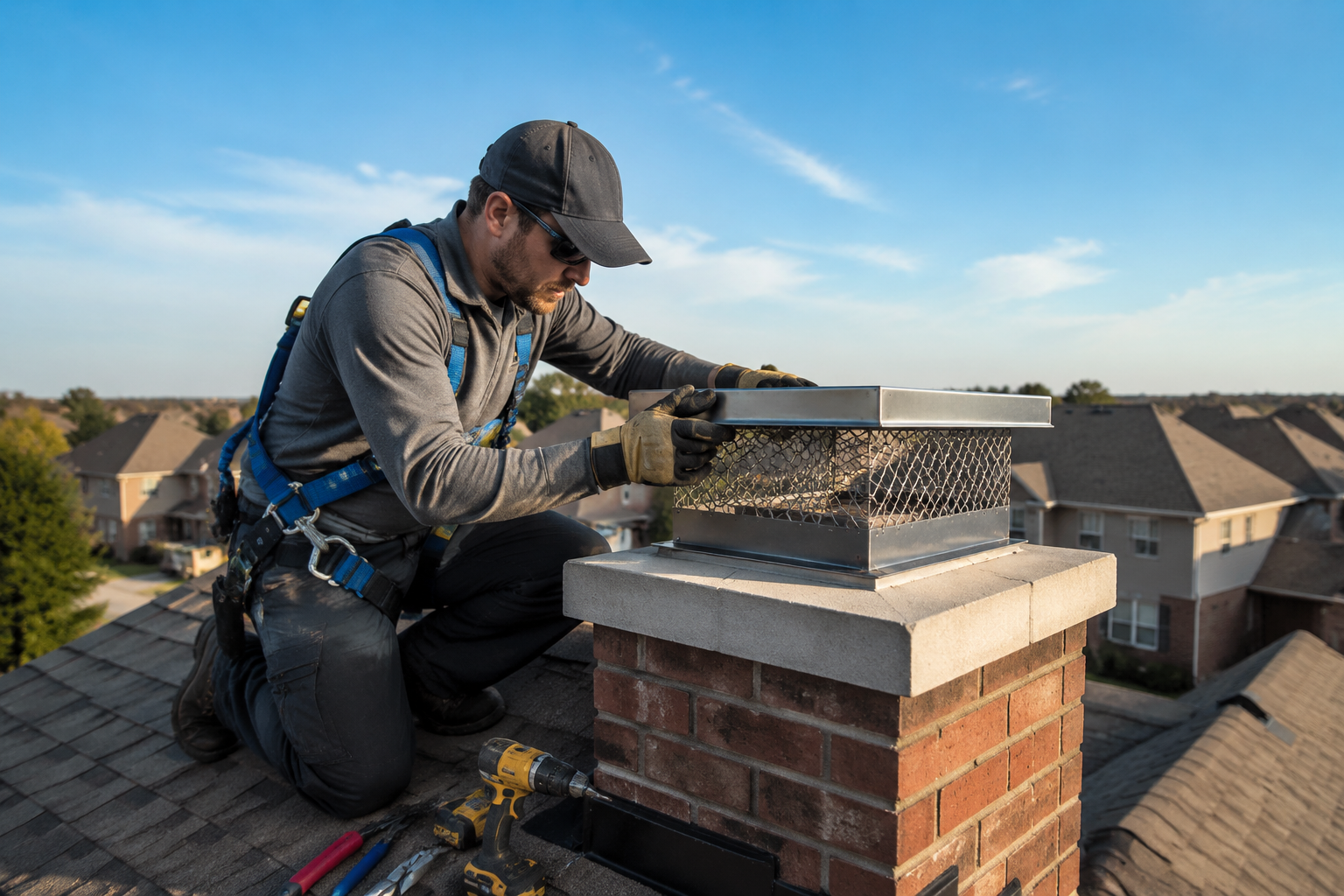
A quality chimney cap covers the flue opening while still allowing smoke and combustion gases to exit. The animal guard component is a mesh screen (typically galvanized steel or stainless steel) that physically blocks entry by birds, squirrels, raccoons, and other wildlife. For Dallas homes with older or uncapped chimneys, this is an essential upgrade.
Complete prevention checklist:
- Install a chimney cap with animal guard mesh on every open flue
- Inspect and repair any gaps in the chimney crown or mortar joints
- Trim tree branches that overhang or closely approach the roofline
- Check the chimney flashing for gaps that could allow entry near the roofline
- Schedule an annual chimney inspection to catch cap damage or displacement early
- Ensure the damper seals properly when closed
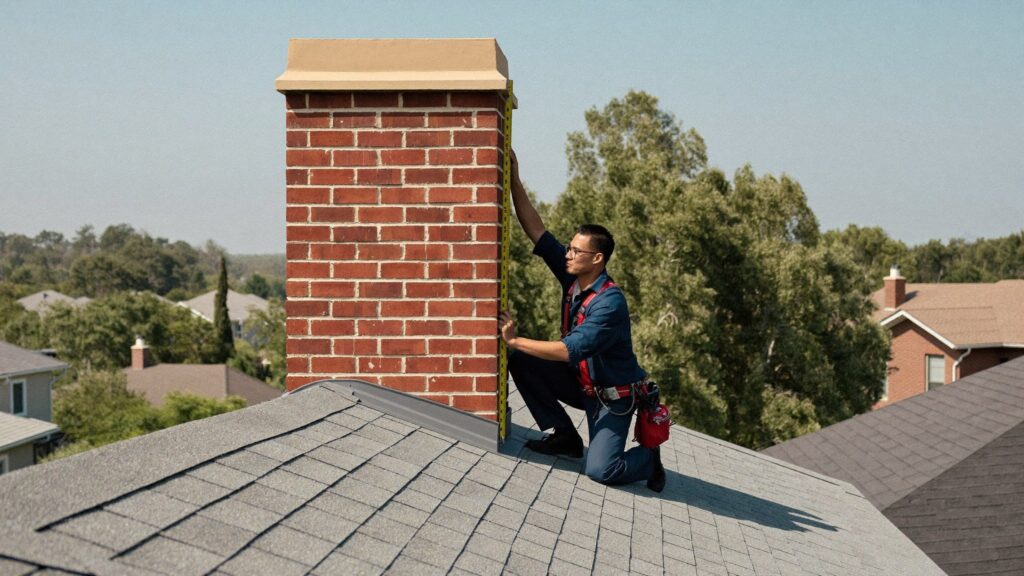
Chimney caps can be displaced by severe weather, which Dallas certainly sees. After any significant storm, it’s worth visually checking the cap from the ground or scheduling an inspection. For cap installation and repair options in the DFW area, chimney cap installation and repair in Dallas covers what’s involved and what to expect.
Also worth considering: if the chimney crown (the concrete or mortar cap at the very top of the chimney structure) is cracked or deteriorating, animals and water both find entry points. A damaged crown is one of the top signs your chimney needs repair and should be addressed before the next season.
What Happens After the Animal Is Removed? Post-Removal Inspection and Cleanup
Removal is only half the job. Once the animal is out, the chimney needs a thorough assessment before it’s safe to use again. This step is frequently skipped by homeowners who assume that once the animal is gone, everything is fine. It isn’t always.
Post-removal steps professionals should perform:
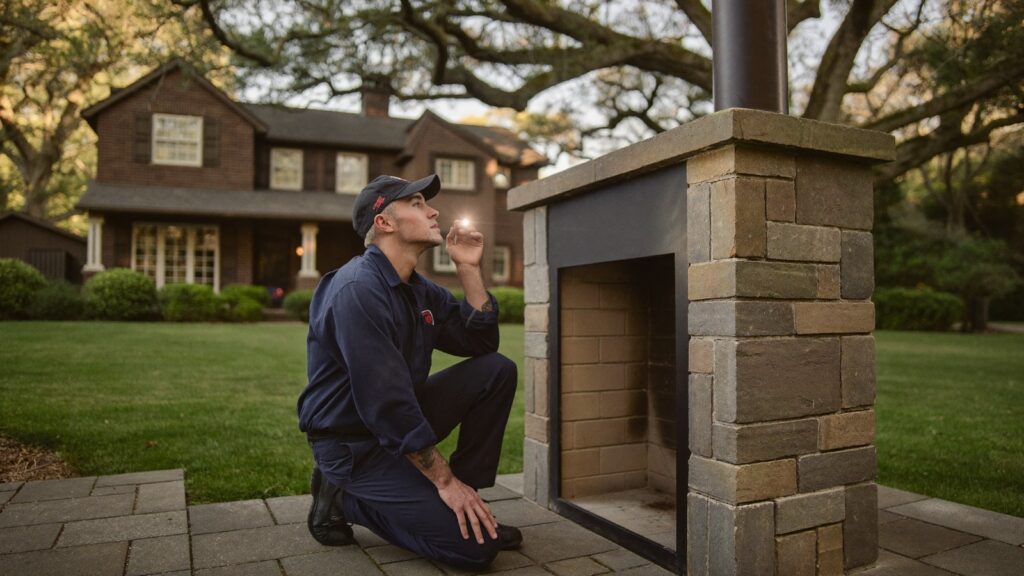
- Full flue inspection to check for damage to the flue liner, damper, and smoke shelf
- Nest and debris removal from all accessible areas of the flue
- Sanitization of the flue interior to address bacteria, parasites, and odor from animal waste
- Chimney cleaning to remove any creosote buildup worsened by debris accumulation
- Structural assessment of the firebox and surrounding masonry for cracks or displacement
- Cap installation or repair to prevent immediate re-entry
Animals, particularly raccoons, can leave behind roundworm eggs (Baylisascaris procyonis) in their feces, which pose a genuine health risk to humans. Proper sanitization is not optional in these cases. A chimney sweep in Dallas with wildlife removal experience will know how to handle this safely.
If the animal was in the flue for an extended period, there may also be structural concerns. Nesting materials packed into the flue can cause smoke to back up into the home when the fireplace is eventually used. For homeowners who have noticed smoke coming into the house recently, that issue may actually be related to a blockage rather than a draft problem; the guide on smoke coming into the house from the fireplace addresses this in more detail.
Frequently Asked Questions
Q: How did an animal get into my chimney in the first place? A: Most animals enter through an uncapped or damaged flue opening at the top of the chimney. Squirrels and raccoons climb down intentionally or fall in accidentally. Birds and bats enter while exploring or seeking nesting sites. Without a properly fitted chimney cap, any open flue is an accessible entry point.
Q: Can I just open the damper and let the animal escape into the room? A: This is generally not recommended, especially for raccoons or bats. A panicked raccoon loose in a living space is dangerous and difficult to remove. For small birds, opening the damper while directing the animal toward an open exterior door can work, but it should be done carefully and only if the animal appears healthy and calm.
Q: What if the animal is already dead in the chimney? A: A deceased animal requires professional removal and thorough sanitization. The carcass can harbor parasites and bacteria, and the odor can permeate the home for weeks if not properly addressed. Do not attempt to retrieve it yourself without appropriate protective equipment.
Q: Is it safe to use my fireplace if an animal is in the chimney? A: No. Using the fireplace with an animal present risks killing the animal, creating a fire hazard from nesting materials, and potentially driving smoke and carbon monoxide into the home if the flue is partially blocked. Wait until the animal has been professionally removed and the flue inspected.
Q: How long can a squirrel survive in a chimney? A: A healthy squirrel can survive several days if water is not available, but conditions vary. The sooner removal is attempted, the better the outcome for both the animal and the homeowner. A deceased squirrel significantly complicates cleanup.
Q: Do chimney swifts cause damage to the chimney? A: Chimney swifts themselves cause minimal structural damage. Their small nests, made of twigs and saliva, can accumulate over years and eventually restrict airflow, but a single season’s nest is generally not harmful. The main concern is the legal obligation not to disturb them during nesting.
Q: Will a raccoon come back after being removed? A: Raccoons are territorial and will attempt to return if the entry point is not sealed. Installing a chimney cap immediately after removal is essential. Relocating the animal at least several miles away reduces the chance of return.
Q: How do I know if there are baby animals in the chimney? A: High-pitched squeaking or chittering sounds, particularly in spring, often indicate young animals. A mother raccoon or squirrel that seems reluctant to leave the chimney area is another indicator. Professionals will assess for babies before removal to ensure the entire family group is addressed.
Q: What’s the best time of year to install a chimney cap in Dallas? A: Late fall or early winter, before nesting season begins, is ideal. However, a cap can and should be installed any time the flue is confirmed to be empty. Don’t delay installation after a removal.
Q: Can I handle bat removal myself? A: No. Bats are protected under Texas and federal law, and removal requires licensed professionals using exclusion methods. Additionally, bats can carry rabies, and any direct contact without proper protective equipment is a health risk.
Expert Insights on Animal Intrusions in Dallas Chimneys
Licensed chimney professionals in the Dallas area consistently point to two root causes for repeat animal intrusions: missing or damaged chimney caps, and mature trees with branches that reach the roofline. Addressing both simultaneously after a removal event dramatically reduces the likelihood of a repeat problem.
There’s also a seasonal pattern worth understanding. Raccoon intrusions spike in late winter and early spring in North Texas, when pregnant females seek enclosed, elevated denning sites. Squirrel activity peaks in fall as animals seek warm shelter ahead of cooler temperatures. Knowing this, Dallas homeowners with uncapped chimneys should treat the period from February through April as high-alert season.
One thing professionals emphasize repeatedly: the rope method for squirrel escape is a reasonable temporary measure, but it only works for healthy adult squirrels that are above the damper. It does nothing for animals below the damper, animals in distress, or situations involving babies. Overreliance on DIY methods in these cases typically results in a call to a professional anyway, just with a more complicated situation.
Recommendations for Dallas Homeowners
If you have an animal in your chimney right now:
- Close the damper immediately
- Do not light a fire under any circumstances
- Call a licensed chimney or wildlife removal professional in Dallas
- For services covering Dallas and surrounding areas including Plano, Frisco, McKinney, and Garland, ALC Chimney Service handles animal removal with inspections starting at $99
For prevention after removal:
- Install a stainless steel chimney cap with animal guard mesh
- Schedule a chimney inspection in Dallas to assess overall flue condition
- Trim overhanging tree branches near the roofline
- Have the flue cleaned and sanitized before resuming fireplace use
If you’re unsure whether an animal is present:
- An annual chimney inspection will catch nesting evidence, blockages, and cap damage before they become emergencies
Conclusion
An animal in a chimney in Dallas is not a minor inconvenience; it’s a situation that carries health risks, legal considerations, and potential structural damage if handled incorrectly or ignored. The good news is that the path forward is clear: keep the damper closed, avoid fire, identify the species if possible, and call a licensed professional.
Flying animals like birds and bats often resolve themselves with patience and proper exclusion afterward. Ground-dwelling animals like squirrels and raccoons almost always require professional intervention, particularly when babies are involved or the animal has been present for more than a day.
The actionable takeaway for every Dallas homeowner is this: if your chimney doesn’t have a cap with an animal guard, schedule installation before the next nesting season. That single step eliminates the vast majority of wildlife intrusion scenarios entirely. Pair it with an annual inspection, and the chances of ever dealing with a trapped animal again drop dramatically.
For professional animal removal, chimney inspection, or cap installation anywhere in the Dallas-Fort Worth area, contact ALC Chimney Service to schedule an assessment.
Find our chimney safety tips faster on Google