Skip to content
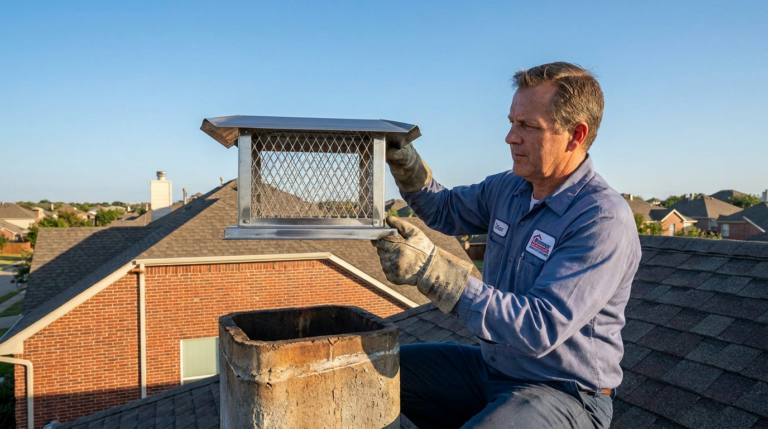
A chimney spark arrestor is a metal mesh screen fitted over the top of your chimney flue that traps burning embers and sparks before they can escape, keeping them off your roof and away from dry North Texas grass. For DFW homes, a chimney spark arrestor lowers wildfire and roof-fire risk, and most models double as a rain and animal cap, so you get two safety jobs from one piece of stainless steel.
What is a chimney spark arrestor?
A spark arrestor is a screen, usually stainless steel or galvanized mesh, that sits at the very top of your chimney where the smoke exits. Its whole reason for existing is simple. When you burn wood, tiny glowing embers ride the hot air up the flue. Most of them burn out on the way, but not all of them. A spark arrestor catches those live embers and holds them long enough for the fire to die, while still letting smoke and combustion gases pass through freely.
People sometimes picture something complicated. It really is not. Think of a wire cage or a mesh box wrapped around the flue opening, often built right into the underside of a chimney cap. That combination is what most homeowners actually buy today, a cap with a spark arrestor screen already attached, which is why the two terms get mixed up so often.
You will hear a few other names for the same thing: a spark arrestor cap, an ember guard, or sometimes just a screened chimney cap. The mesh is the part that matters. Without that screen, the top of your chimney is an open pipe, and whatever the fire throws up it, the wind can carry out.
How a spark arrestor actually works
The mesh does two things at once, and there is a bit of a balancing act involved. The openings have to be small enough to stop an ember but large enough that smoke, water vapor, and creosote-laden gases still vent properly. If the holes are too fine, the screen clogs with soot and creosote, your draft weakens, and smoke starts backing into the room. If the holes are too wide, embers slip right through and the arrestor is not doing much of anything.
That is why building codes settle on a specific range, which we will get into below. For now, the short version: a good spark arrestor stops sparks, vents smoke, and stays clear enough that it does not choke your fireplace. When it is working, you never think about it. When it clogs or rusts through, you notice fast.
Do you really need a spark arrestor in DFW?
Honestly, a lot of Dallas and Fort Worth homeowners assume spark arrestors are a California or mountain-cabin thing. I understand why. Wildfire coverage tends to come out of the West. But North Texas has its own version of the risk, and it is not small.
Summers here run long and dry. By late July and August, lawns go brown, and we regularly land under county burn bans across Tarrant, Dallas, Collin, and Denton. When the ground is that dry, a single ember drifting onto a neighbor’s cedar-shake roof or into a stand of dead Bermuda grass can start something serious. We also have a lot of homes packed close together in newer DFW subdivisions, which means an ember does not have far to travel before it finds fuel.
There is also the roof itself. Plenty of North Texas homes wear asphalt composition shingles, and while those are rated for some fire resistance, hot embers landing repeatedly are not something you want to test. A spark arrestor keeps the embers contained at the source, which is the whole point.
So do you need one? If you burn wood at all, I would say yes, and it is one of the cheaper pieces of chimney safety you will ever buy. If your fireplace is strictly gas, the fire-risk argument is weaker, but the screen still keeps birds, squirrels, and rain out, which matters here too. Either way it tends to earn its keep.
Spark arrestor vs chimney cap: what is the difference?
This is where the confusion usually lives, so let me lay it out plainly. A chimney cap covers the top of the flue to block rain, snow, debris, and animals. A spark arrestor is the mesh screen that keeps embers in. They are two different jobs. The reason people conflate them is that modern caps almost always include the arrestor screen, so one product covers both.
| Feature | Chimney cap | Spark arrestor |
|---|---|---|
| Main job | Keeps rain, snow, and animals out of the flue | Keeps burning embers and sparks in |
| Key part | Solid top or lid over the flue | Metal mesh screen on the sides |
| Fire safety | Indirect | Direct |
| Water protection | Yes | Only if combined with a cap |
| Animal protection | Yes, with screen | Yes, the mesh blocks entry |
| Common form today | Usually sold with a built-in arrestor | Usually built into the cap |
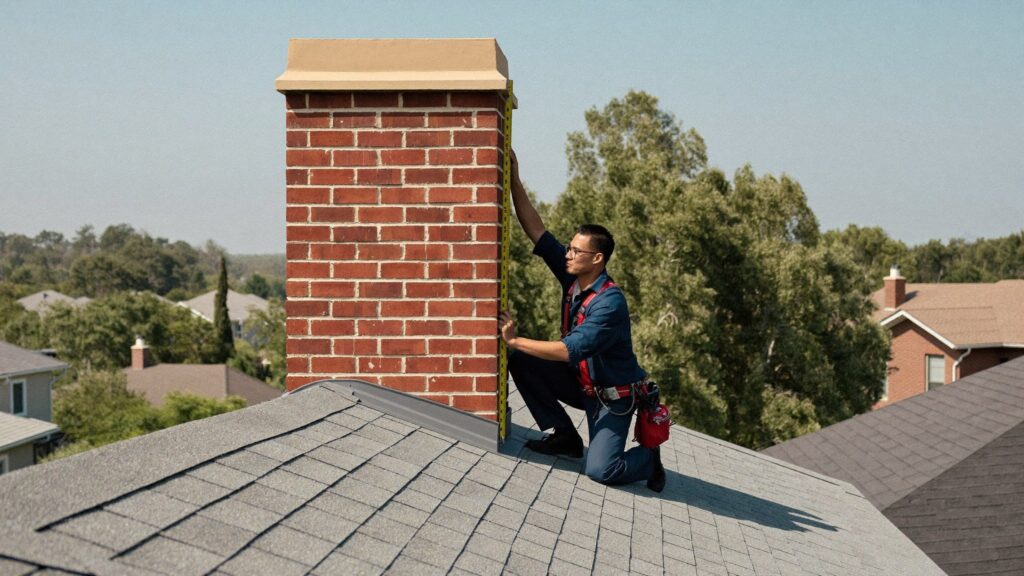
For most DFW homeowners the practical answer is to install a single combined unit, a cap with a spark arrestor screen. You solve the water problem, the animal problem, and the ember problem in one visit. If you already have a solid cap with no screen, adding an arrestor is a straightforward upgrade. Our team handles both through chimney cap installation and repair in Dallas, and we almost always recommend the combined version.
What does the code say about spark arrestors?
Spark arrestors are not just a good idea, they are written into fire and building codes. The main references are NFPA 211, which is the standard for chimneys, fireplaces, and vents, and the International Residential Code, along with any local amendments a Texas municipality adds on top. The specifics are worth knowing, because a screen that fails the spec is not really protecting you.
| Requirement | Specification |
|---|---|
| Minimum mesh opening | Not smaller than 3/8 inch (so it does not clog and choke draft) |
| Maximum mesh opening | Not larger than 1/2 inch (so embers cannot pass) |
| Net free area | At least four times the area of the flue outlet it covers |
| Material, galvanized | Heat and corrosion resistance equal to 19-gauge galvanized steel |
| Material, stainless | Or equal to 24-gauge stainless steel |
| Access | Must be removable so the flue can be swept and cleaned |
A couple of things stand out. The net free area rule, four times the flue opening, is the one homeowners never think about, and it is the one that quietly causes drafting problems when an undersized screen gets installed. And the removable requirement is the reason a bolted-on, painted-over arrestor is a headache. Your chimney still needs sweeping, and if the tech cannot get the screen off, that is a problem. This is one of the reasons a professional install pays off. A certified tech sizes the arrestor to your flue and mounts it so it can come off again.
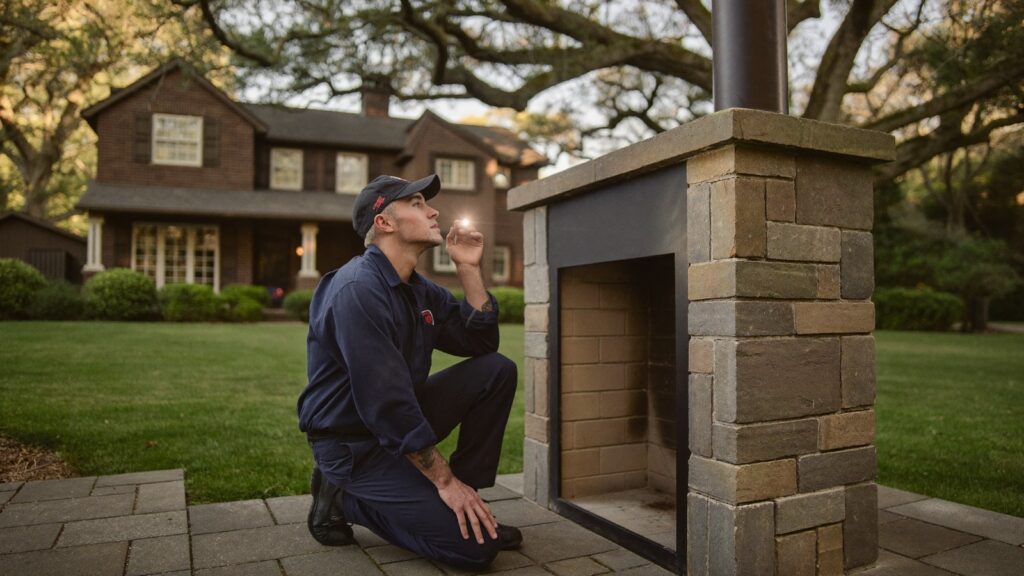
Local note: some jurisdictions, especially in higher fire-risk pockets, tighten the mesh spec further. If you are unsure what your city requires, that is a fair thing to ask during a chimney inspection in Dallas. We check arrestor compliance as part of the visit.
How much does a chimney spark arrestor cost?
Cost is all over the map depending on whether you are buying just the screen, a full cap with a built-in arrestor, or paying for professional installation on a tall or steep roof. Here is a realistic breakdown for the DFW area.
| Option | Typical price range | Notes |
|---|---|---|
| Basic spark arrestor screen (device only) | $75 to $160 | Off-the-shelf, DIY-friendly for single-flue chimneys |
| Cap with built-in spark arrestor (device only) | $150 to $400 | Stainless models cost more but last far longer |
| Professional installation | $250 to $500 | Varies with roof height, pitch, and flue count |
| Full cap plus arrestor, installed | $400 to $1,000+ | Custom multi-flue or oversized chimneys run higher |
A few honest caveats. A cheap galvanized screen will rust in our humid, storm-prone climate faster than stainless, so the low number is not always the smart buy. Steep or two-story rooflines push labor up, because the tech is working at height and safely, which takes longer. And if your existing chimney crown or masonry needs repair before a cap can seat properly, that gets folded into the job. Right now ALC also runs a free repair inspection, so you can get an honest quote before committing to anything.
What are the signs your spark arrestor needs attention?
A spark arrestor is low-maintenance, but it is not maintenance-free. Sitting up there in the Texas sun, wind, and rain, it takes a beating over the years. Here are the things a sweep looks for, and things you can sometimes spot from the ground with binoculars.
Rust and corrosion are the big one. A galvanized screen that has gone orange and flaky is on borrowed time, and a rusted-through section is an open door for embers. Creosote clogging is next. If the mesh is packed with dark, tarry buildup, your draft suffers and the screen is not venting like it should. That buildup is flammable too, which is a separate hazard, and it ties directly to how often the flue gets swept. Physical damage from storms, hail, or a fallen limb can bend or tear the mesh. And animal damage happens more than you would think, squirrels and raccoons will chew or pry at a weak screen trying to get in.
If you are noticing a smoky smell, weak draft, or smoke rolling back into the room, a clogged arrestor is one possible culprit among several. A good chimney sweep in Dallas will clear the screen as part of the cleaning and flag it if it needs replacing.
Can you install a spark arrestor yourself?
You can, and plenty of handy homeowners do. On a single-story home with a simple flue and a low-pitch roof, a bolt-on or clamp-on arrestor cap is a genuinely doable weekend job if you are comfortable on a ladder and a roof. The device is not expensive, and the basic install is not complicated.
That said, there are a few reasons I would pump the brakes. First, roof safety. A lot of DFW homes are two stories with steep pitches, and every year people get hurt doing exactly this. Second, sizing. Getting the net free area right, matching the mesh spec, and making sure the arrestor does not choke your draft is easy to get wrong, and you often do not find out until smoke is in the living room. Third, the crown and seal. A cap has to mount to a sound chimney crown, and if the masonry underneath is cracked or spalling, the install will not hold. A pro catches that.
My general take: if it is a simple one-story flue and you know your way around a roof, DIY is reasonable. If it is tall, steep, multi-flue, or you have any doubt about the masonry underneath, have a certified tech do it. It is not an expensive service, and you get the sizing and the code compliance handled in one shot.
A quick spark arrestor checklist for DFW homeowners
If you want a simple way to stay on top of it, here is what I tell people to keep in mind:
- Confirm your chimney actually has a spark arrestor, not just a plain cap or an open flue.
- Check that the mesh openings sit in the 3/8 to 1/2 inch range and are not clogged.
- Look for rust, especially on older galvanized screens, and plan to move to stainless when you replace.
- Have the arrestor inspected and cleaned during your annual sweep, before burning season.
- Make sure the screen is removable so the flue can be swept properly.
- After big storms or hail, glance up to check the cap and screen are still intact and seated.
- If you are under a county burn ban and still using the fireplace, double-check the arrestor is sound first.
- Pair the arrestor with a solid cap so you also block rain, debris, and animals.
How a spark arrestor fits your whole chimney system
A spark arrestor does not work in isolation. It is one part of a system, and the parts depend on each other more than most people realize. The arrestor sits on top of the flue, which runs down through the chimney and connects to the firebox. If the flue liner is cracked or deteriorated, embers and heat have a path to reach nearby framing, and a screen up top does not fix that. If the chimney crown is broken, the cap the arrestor mounts to has nothing solid to seat against.
Then there is the animal side. A properly screened cap is one of the best ways to keep birds, squirrels, and raccoons out of the flue in the first place, which saves you the mess and the emergency call. When critters do get in, that is a different service, and we handle animal removal from chimneys in the Dallas area as well. Prevention with a good screen is far cheaper than removal after the fact.
And none of it replaces regular cleaning. Creosote is the fuel behind chimney fires, and the arrestor can actually collect it if the flue is dirty. That is why an annual sweep and inspection matters, and why the arrestor should be checked at the same time. Carbon monoxide is the other quiet risk with any blocked or poorly venting chimney, which is one more reason not to let a clogged screen slide.
We serve homeowners across the metroplex, from Fort Worth to Plano and everywhere in the wider DFW area. If you are not sure whether your chimney has a compliant spark arrestor, the simplest move is to have it looked at before you light your first fire this fall. You can reach ALC Chimney Service here or call (877) 656-0851.
Frequently Asked Questions
Is a spark arrestor required by law in Texas?
Fire and building codes based on NFPA 211 and the International Residential Code require an approved spark arrestor on chimneys serving solid-fuel appliances, and Texas municipalities adopt and sometimes amend those codes. Requirements can vary by city, so if you are unsure what applies to your home, ask during a chimney inspection. For a wood-burning fireplace, a compliant arrestor is the expected standard.
What is the difference between a spark arrestor and a chimney cap?
A chimney cap covers the flue to block rain, debris, and animals. A spark arrestor is the mesh screen that keeps burning embers from escaping. They do different jobs, but most caps sold today include a built-in arrestor screen, so a single combined unit handles water, animals, and sparks all at once.
How much does it cost to install a chimney spark arrestor in DFW?
A basic arrestor screen runs about $75 to $160, a cap with a built-in arrestor runs $150 to $400, and professional installation typically adds $250 to $500. A full cap plus arrestor installed usually lands somewhere between $400 and $1,000, more for custom multi-flue or oversized chimneys. Roof height and pitch are the biggest cost variables.
Can a spark arrestor cause draft or smoke problems?
Yes, if it is the wrong size or clogged. Codes require the net free area to be at least four times the flue opening for a reason. An undersized screen, or one packed with creosote and soot, restricts airflow and can push smoke back into the room. Proper sizing and an annual cleaning keep the draft healthy.
How often should a spark arrestor be cleaned?
Have it checked and cleaned once a year, at the same time as your annual chimney sweep and inspection, ideally before burning season. Homes that burn a lot of wood may see creosote build on the screen faster and could need a mid-season look. The good news is that clearing the screen is part of a normal sweep.
Do gas fireplaces need a spark arrestor?
A gas fireplace does not throw embers the way wood does, so the fire-safety argument is weaker. That said, the mesh screen still keeps rain, debris, birds, and squirrels out of the flue, which is worth having in North Texas. Many homeowners with gas appliances still choose a screened cap for the animal and water protection.
What mesh size should a chimney spark arrestor have?
Code sets the range at not smaller than 3/8 inch and not larger than 1/2 inch. Smaller openings clog and choke the draft, larger openings let embers through. Some higher fire-risk jurisdictions require a tighter mesh, so local rules can override the general range. A certified tech will match the screen to code and to your flue.
Can I install a spark arrestor myself?
On a simple single-story flue with an easy roof, a clamp-on or bolt-on arrestor cap is a reasonable DIY job if you are comfortable at height. For tall, steep, or multi-flue chimneys, or if the crown and masonry need attention first, it is safer and usually cheaper in the long run to have a professional size and mount it correctly to code.
About the Author
Jonathan is a CSIA-certified chimney specialist at ALC Chimney Service with more than 15 years of hands-on experience sweeping, inspecting, and repairing fireplaces and chimneys across Dallas and the DFW metroplex. He has worked on thousands of residential chimney systems and writes to help North Texas homeowners keep their fireplaces safe, efficient, and up to NFPA and CSIA standards. Have a question about your chimney? Call ALC Chimney Service at (877) 656-0851 for a free inspection.
Find our chimney safety tips faster on Google