Skip to content
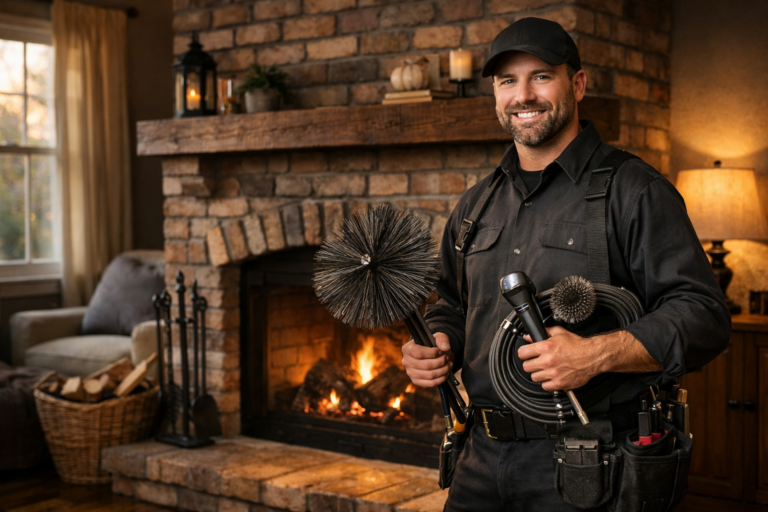
Most homeowners in 2026 pay between $150 and $400 for a standard chimney sweep and inspection, with a national average hovering around $275 to $385 depending on chimney type, service level, and geographic location. Costs can climb significantly higher if heavy creosote buildup, structural damage, or a Level 2 video inspection is involved. For a full breakdown of what drives the chimney sweep cost in your specific situation, read on.
Key Takeaways
- National average chimney sweep cost in 2026: roughly $275 to $385 for standard residential service
- Typical range: $150 to $400 for most homeowners; outliers reach $726 or more with add-on services
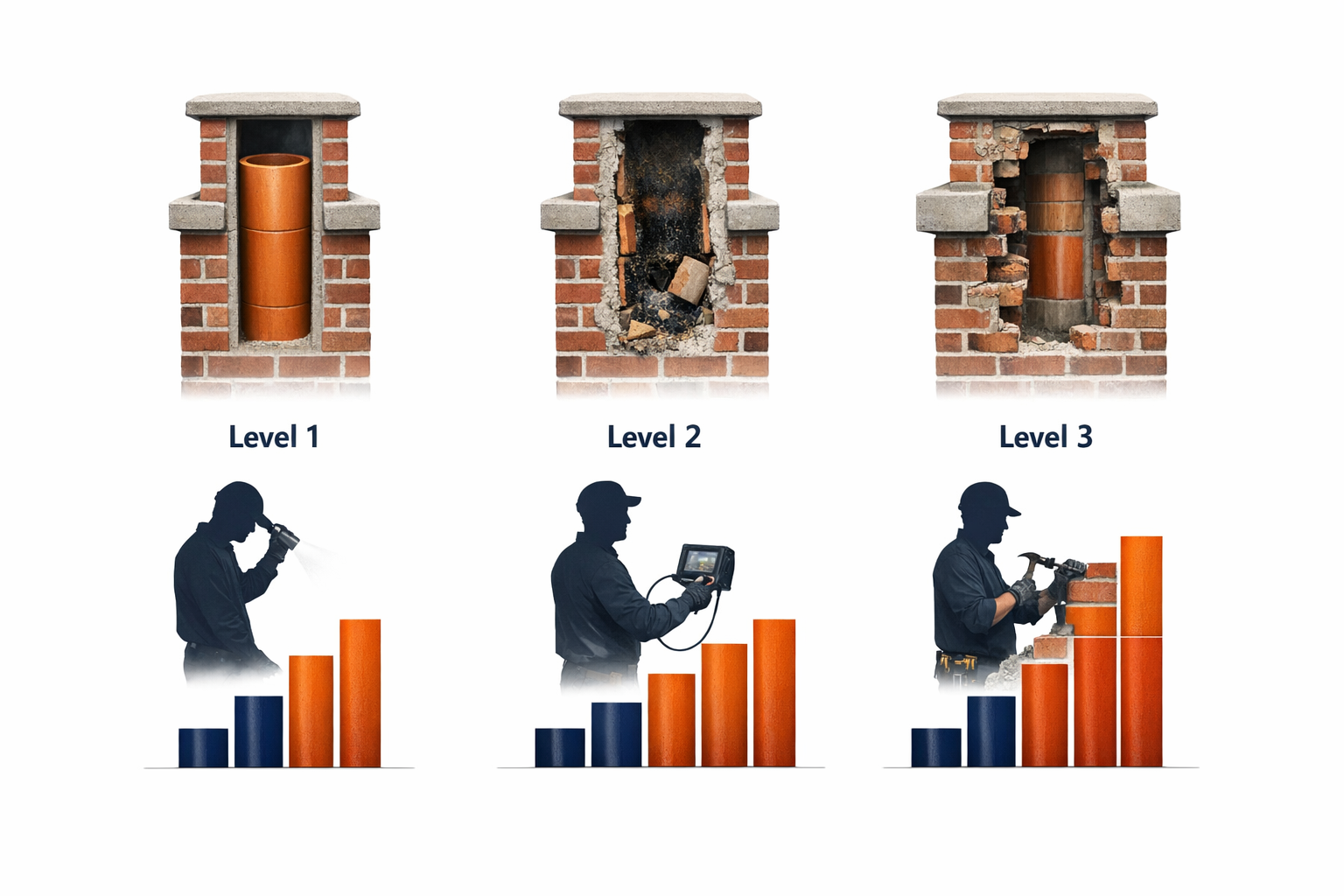
- Level 1 inspection (basic cleaning + visual check): $100 to $250
- Level 2 inspection (video camera scan): $300 to $600; required when selling a home or after system changes
- Level 3 inspection (invasive): $1,000 to $5,000+; reserved for suspected serious structural damage
- Gas fireplaces cost significantly less to service: $80 to $150 on average
- Wood-burning masonry chimneys are the most expensive to clean: $150 to $375
- Northeast U.S. homeowners tend to pay more ($200 to $450) due to older housing stock and higher demand
- Annual sweeping is strongly recommended for any wood-burning fireplace used regularly
- Skipping annual maintenance can lead to creosote fires and costly repairs that far exceed routine service fees
How Much Does a Professional Chimney Sweep Typically Charge?
In 2026, a professional chimney sweep typically charges between $150 and $400 for a standard cleaning and inspection on a wood-burning fireplace. The national average sits around $275 to $385, though the actual chimney sweep cost a homeowner encounters will depend on several variables covered throughout this guide.
That said, pricing is rarely one-size-fits-all. A straightforward annual sweep on a well-maintained masonry fireplace will land at the lower end. A chimney that hasn’t been serviced in several years, or one with heavy creosote deposits, will cost more because the technician needs additional time and equipment.
Here’s a general snapshot of 2026 pricing by service type:
| Service Type | Typical Cost Range |
|---|---|
| Basic chimney sweep (Level 1) | $100 to $250 |
| Standard cleaning + inspection | $150 to $400 |
| Level 2 video inspection | $300 to $600 |
| Level 3 invasive inspection | $1,000 to $5,000+ |
| Gas fireplace cleaning | $80 to $150 |
| Prefabricated chimney cleaning | $90 to $175 |
| Wood or pellet stove cleaning | $130 to $300 |
For homeowners in the Dallas-Fort Worth area specifically, you can get a clearer picture of local pricing by reviewing this detailed chimney sweep cost guide for 2026.
Common mistake: Many homeowners assume the cheapest quote is the best deal. A $75 sweep advertised online sometimes covers only a surface-level brush pass with no formal inspection, which can leave dangerous creosote deposits or structural issues undetected.
What Factors Influence the Cost of Chimney Cleaning and Inspection?
The chimney sweep cost isn’t arbitrary. Several concrete factors push prices up or down, and understanding them helps homeowners budget accurately and avoid surprise charges.
1. Chimney height and accessibility Taller chimneys require more time and more brushing rods. A two-story home with a 30-foot flue will cost more to service than a single-story ranch. Difficult roof pitches or limited access points add labor time.
2. Degree of creosote buildup Creosote accumulates in three stages. Stage 1 (light, flaky deposits) is easy to brush away. Stage 2 (tar-like coating) requires rotary cleaning tools. Stage 3 (hardened, glazed creosote) is the most dangerous and most expensive to remove, sometimes requiring chemical treatments in addition to mechanical cleaning.
3. Chimney condition and age A chimney showing signs of deterioration, such as cracked mortar joints, damaged flue tiles, or a deteriorating crown, will often trigger a recommendation for additional repair work. The sweep itself may cost the same, but the inspection findings can lead to follow-up expenses. If you’re already noticing warning signs, it’s worth reviewing the top signs your chimney needs repair before scheduling service.
4. Type of inspection required The National Fire Protection Association (NFPA) defines three inspection levels, and each carries a different price tag. A Level 1 is the standard annual check. A Level 2 is required after any significant change to the system, including a home sale, and involves a video camera scan. A Level 3 is reserved for cases where hidden damage is suspected and may require opening walls or removing components.
5. Geographic location Labor rates, cost of living, and seasonal demand all vary by region. Homeowners in the Northeast typically pay $200 to $450 due to older housing stock and colder climates that drive higher usage. Southern states tend to see lower average rates, though demand spikes in fall can still push prices up.
6. Add-on services Chimney cap installation, animal removal, waterproofing treatments, and liner repairs are all separate line items. A technician who discovers a bird nest or a cracked liner during a routine sweep will quote those separately. For context on what chimney cap work costs in the Dallas area, see this chimney cap installation and repair guide.
Are Chimney Sweep Prices Different for Wood Stoves Versus Traditional Fireplaces?
Yes, and the difference is meaningful. The type of heating appliance connected to a chimney directly affects how much cleaning costs.
Wood-burning masonry fireplaces are the most commonly serviced and typically cost $150 to $375 for a standard sweep. The masonry construction, combined with the volume of smoke and particulate matter produced by wood combustion, means more creosote accumulation over time.
Wood and pellet stoves run slightly lower, generally $130 to $300, though pellet stoves have their own unique cleaning requirements because of ash accumulation in the burn pot and heat exchanger.
Gas fireplaces are considerably cheaper to service at $80 to $150. Gas burns much cleaner than wood, so there’s no creosote to remove. The technician is primarily checking for blockages, inspecting the burner, and verifying that the venting system is clear and functional.
Prefabricated (factory-built) chimneys typically cost $90 to $175 to clean. These metal systems are generally easier to access and faster to service than traditional masonry chimneys, which is reflected in the lower price.
Edge case: If a gas fireplace has been converted from a wood-burning system, or if it shares a flue with another appliance, the cleaning complexity increases and pricing may align closer to wood-burning rates. Always disclose your system’s history when requesting quotes.
For homeowners in the Dallas area looking for professional chimney cleaning services, the type of fireplace system is one of the first questions a reputable company will ask before providing a quote.
What’s the Average Chimney Sweep Cost by Region?
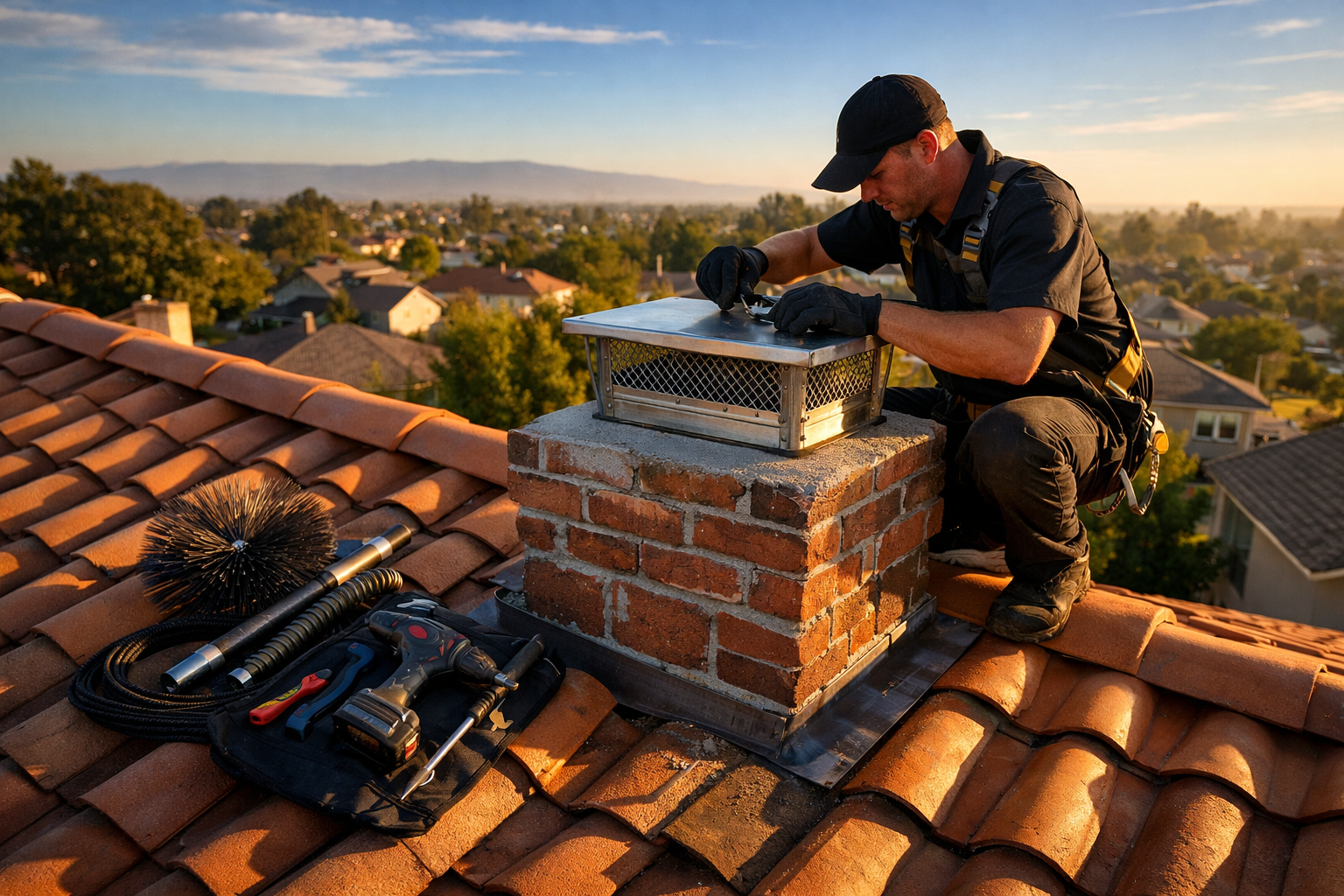
Geographic location is one of the most significant variables in chimney sweep pricing. Regional differences in labor costs, climate, housing age, and seasonal demand all contribute to the spread.
Regional estimates for 2026:
| Region | Estimated Average Range |
|---|---|
| Northeast (NY, MA, CT, PA) | $200 to $450 |
| Midwest (OH, IL, MI, MN) | $150 to $350 |
| South (TX, GA, FL, NC) | $130 to $325 |
| West (CA, CO, WA, OR) | $175 to $400 |
The Northeast tends to run highest. Older homes with complex masonry chimneys, combined with long heating seasons and high labor costs, push averages up. The South generally sees lower baseline rates, though urban markets like Dallas can approach Midwestern pricing during peak season.
Timing matters too. Scheduling a sweep in late summer or early fall, before the heating season begins, often yields better availability and sometimes lower prices. Waiting until November or December in a cold climate means competing with every other homeowner who just realized their chimney hasn’t been cleaned in two years.
For homeowners in specific Texas markets, local pricing information is available for chimney services in Plano, chimney services in Fort Worth, and chimney services in Frisco.
Do Chimney Sweep Costs Vary Based on Chimney Type and Condition?
Absolutely, and this is perhaps the most underappreciated factor in the entire pricing equation. Two homes on the same street can receive wildly different quotes based solely on what the technician finds when they start the inspection.
Chimney type affects pricing in the ways described above, but condition is what really moves the needle. A chimney that has been swept annually and maintained properly will almost always land at the lower end of the pricing range. One that has been neglected for five or ten years is a different situation entirely.
Condition-based pricing factors:
- Light buildup (Stage 1 creosote): Standard sweep pricing applies, no surcharge
- Moderate buildup (Stage 2 creosote): May add $50 to $150 for additional cleaning time and rotary tools
- Heavy or glazed buildup (Stage 3 creosote): Chemical treatments plus mechanical removal can add $200 to $500 or more
- Animal intrusion or nesting material: Removal fees typically range from $150 to $300 depending on the species and extent of the blockage
- Structural damage discovered during inspection: Repair quotes are separate and can range from minor mortar work to full liner replacement
If a technician quotes a flat rate without asking about the chimney’s service history or current condition, that’s worth noting. Reputable sweeps will ask questions before committing to a price because the condition of the flue genuinely changes the scope of work.
For homeowners dealing with suspected damage, a professional chimney inspection in Dallas can clarify exactly what’s needed before any repair work begins.
What Does a Standard Chimney Sweep Service Actually Include?
Knowing what’s included in a quoted price helps homeowners compare services accurately and avoid paying for things they don’t need, or missing things they do.
A standard chimney sweep service typically includes:
- Visual inspection of the firebox, damper, and accessible flue sections
- Brushing and vacuuming of the flue to remove soot and creosote deposits
- Inspection of the chimney crown and cap (from ground level or rooftop)
- Basic assessment of mortar joints and masonry condition
- Written report or verbal summary of findings
What’s usually NOT included in a base price:
- Video camera inspection of the flue interior (Level 2 upgrade)
- Chimney cap repair or replacement
- Waterproofing or sealant application
- Animal removal
- Flue liner repair or replacement
- Firebox repair
It’s worth asking specifically what the quoted price covers before booking. Some companies bundle a Level 1 inspection with the sweep; others charge separately for the inspection component. The distinction matters, especially for homeowners preparing to sell a property, since most real estate transactions now require at minimum a Level 2 chimney inspection.
How Often Should a Chimney Be Swept, and Does Frequency Affect Cost?
The general guidance from fire safety organizations is that any chimney used regularly for wood burning should be inspected and swept at least once per year. Gas fireplaces warrant annual inspection even if cleaning is less frequent.
Frequency affects cost in two ways:
- Short-term: More frequent sweeps mean more service calls, but each individual visit costs less because there’s less buildup to remove.
- Long-term: Irregular maintenance leads to heavier creosote accumulation, higher per-visit costs, and a greater likelihood of discovering damage that requires expensive repair.
Perhaps the clearest way to frame it: a homeowner who sweeps annually at $200 per visit spends $1,000 over five years. One who skips four years and then discovers Stage 3 creosote plus a cracked flue tile might spend $800 for the cleaning alone, plus several thousand in repairs. The math isn’t complicated.
For wood-burning fireplace users in Texas, this chimney cleaning tips guide for Dallas homeowners covers local maintenance considerations worth knowing.
How to Evaluate a Chimney Sweep Quote
Getting a quote is one thing. Knowing whether it’s fair is another. Here’s a practical framework for evaluating what you’re being offered.
Signs of a credible, fair quote:
- The company asks about chimney type, fuel type, and service history before quoting
- Pricing is itemized or at least clearly explained
- The technician is certified by the Chimney Safety Institute of America (CSIA) or equivalent
- The company carries liability insurance and can provide proof
- The quote distinguishes between the sweep itself and any additional inspection level
Red flags to watch for:
- Extremely low flat rates ($50 to $75) with no inspection component
- High-pressure upselling during the service visit without written documentation
- No questions asked about the chimney’s condition or history
- Reluctance to provide a written estimate or service report
Choose a company if: they are CSIA-certified, provide a written scope of work, and can explain their findings clearly without resorting to scare tactics.
Be cautious if: the technician quotes major repairs on the spot without offering a second opinion option or photographic evidence of the issue.
For homeowners in the Dallas area navigating this decision, this guide on how to choose the best chimney repair service in Dallas covers the vetting process in more detail.
FAQ: Chimney Sweep Costs in 2026
Q: What is the average chimney sweep cost in 2026? A: The national average falls between $275 and $385 for a standard residential chimney sweep and inspection. Most homeowners pay somewhere in the $150 to $400 range depending on chimney type, condition, and location.
Q: How much does a Level 2 chimney inspection cost? A: A Level 2 inspection, which includes a video camera scan of the flue interior, typically costs $300 to $600. It is required when selling a home, after any change to the heating system, or following a chimney fire or severe weather event.
Q: Is chimney sweeping cheaper for gas fireplaces? A: Yes. Gas fireplace cleaning generally costs $80 to $150 because gas burns cleanly and produces no creosote. The service focuses on clearing blockages and inspecting the venting system rather than removing combustion deposits.
Q: Can I sweep my own chimney to save money? A: DIY chimney brushing kits exist, but they don’t replace a professional inspection. A sweep is only part of the service; the inspection component, particularly identifying creosote stage, structural cracks, or liner damage, requires trained eyes and often specialized equipment.
Q: Why is my chimney sweep quote higher than what I see online? A: Online averages reflect national medians. Your specific quote may be higher due to chimney height, heavy buildup, regional labor rates, or the inclusion of a formal inspection. Always ask for an itemized breakdown.
Q: How long does a chimney sweep take? A: A standard sweep and Level 1 inspection typically takes 45 minutes to 1.5 hours. A Level 2 inspection with video equipment takes longer, usually 1.5 to 3 hours.
Q: Does chimney sweep cost include repairs? A: No. Sweeping and inspection fees do not include repair work. Any repairs discovered during the inspection are quoted separately.
Q: When is the best time to schedule a chimney sweep to get a better price? A: Late summer (August to September) is generally the best window. Demand is lower before the heating season begins, which can improve scheduling availability and, in some markets, pricing.
Q: What happens if I skip annual chimney maintenance? A: Skipping maintenance allows creosote to accumulate, increasing fire risk. It also allows minor issues like small cracks or loose mortar to worsen undetected. Repairs that could have cost a few hundred dollars can escalate to several thousand if left unaddressed.
Q: Are chimney sweep prices negotiable? A: Sometimes. Companies may offer discounts for off-season scheduling, bundled services (sweep plus cap inspection, for example), or repeat customers. It’s reasonable to ask, but be cautious of companies that dramatically drop their price without explanation, as that can signal a reduction in service quality.
Conclusion: What to Do Before You Book a Chimney Sweep
Chimney sweep cost in 2026 sits in a fairly predictable range for most homeowners, but the variables that push prices higher are real and worth understanding before picking up the phone. The type of chimney, its current condition, the inspection level required, and where you live all shape what you’ll pay.
Actionable next steps:
- Identify your chimney type (masonry wood-burning, prefabricated, gas) before requesting quotes, since this is the first thing any reputable company will ask.
- Check your service history. If the chimney hasn’t been swept in more than two years, budget for the possibility of elevated cleaning fees due to heavier buildup.
- Request at least two quotes and ask each company to itemize what’s included, whether the inspection is Level 1 or Level 2, and whether the technician is CSIA-certified.
- Schedule before peak season. Late summer appointments often mean better availability and potentially better pricing.
- Don’t defer repairs identified during inspection. Small issues compound quickly in chimney systems, and the cost of waiting almost always exceeds the cost of acting.
For homeowners in the Dallas-Fort Worth region, professional chimney sweep and inspection services are available through ALC Chimney Service, with coverage across multiple local communities. Whether the goal is routine maintenance, a pre-sale inspection, or addressing a specific concern, getting a professional assessment is the most reliable way to know exactly where things stand.
Find our chimney safety tips faster on Google