Creosote buildup is the flammable, tar-like residue that wood smoke leaves inside a chimney flue. It forms in three stages, from loose soot to hardened glaze, and it is the main fuel source for chimney fires in Texas homes. A CSIA-certified chimney sweep can remove stage 1 and 2 creosote with brushes and rotary tools, while stage 3 glaze usually needs chemical treatment.
That is the short version. The longer version is worth your time, because creosote is one of those problems that stays invisible right up until it becomes an emergency. I have seen flues in Dallas homes that looked fine from the living room and were coated in a half inch of shiny black glaze up top. The homeowner had no idea. Most people don’t, and that is not their fault. Nobody climbs up to look.
This guide covers what creosote actually is, the three stages every sweep talks about, why it burns, how fast it accumulates in North Texas conditions, and what removal costs around Dallas and Fort Worth. There is a checklist near the end and a FAQ section if you want quick answers.
What Is Creosote and Where Does It Come From?
When wood burns, it releases smoke that carries unburned particles, water vapor, and volatile gases up the flue. Your chimney is cooler than the fire, sometimes a lot cooler. As that smoke rises and cools, the vapors condense on the flue walls the same way steam fogs a bathroom mirror. The residue left behind is creosote.
Every wood fire produces some of it. The amount depends on how the wood burns. A hot, fast fire with dry seasoned wood sends most of the byproducts out the top before they can condense. A slow, smoldering fire with damp wood does the opposite. It produces cooler, denser smoke that lingers in the flue and deposits heavily.
Three things make creosote worse:
- Burning unseasoned or wet firewood, which is common here because a lot of DFW firewood is sold green off the truck
- Restricted airflow, from a closed damper, a clogged chimney cap, or dampered-down wood stoves
- A cool flue, typical of exterior masonry chimneys on cold nights, which speeds up condensation
Notice that all three are normal conditions in a normal house. Creosote is not a sign you did something wrong. It is a byproduct of using your fireplace, period. The question is never whether you have creosote. It is how much, and what stage.
What Are the 3 Stages of Creosote Buildup?
Sweeps classify creosote in three stages, and the stage determines everything: the fire risk, the removal method, and the price. Here is how they compare.
| Feature | Stage 1 | Stage 2 | Stage 3 (Glazed) |
|---|---|---|---|
| Appearance | Dusty, flaky soot | Crunchy black flakes, tar-like patches | Shiny, hardened glaze, looks like poured tar |
| Texture | Loose powder | Brittle, sticks to the liner | Rock hard, layered |
| Fire risk | Low to moderate | Moderate to high | Severe |
| Removal method | Standard chimney brush | Rotary whips and stiff brushes | Chemical treatment plus mechanical removal |
| Typical cost in DFW | Included in a standard sweep | $250 to $500 | $500 to $1,500 or more |
Stage 1: Flaky Soot
This is the easy one. Stage 1 creosote is a light, dusty layer that brushes off the flue liner without much effort. Every wood-burning chimney develops it. A routine annual sweep clears it completely, which is exactly why the annual sweep exists. Our $99.99 sweep and inspection special in Dallas handles stage 1 buildup as part of the standard service.
Stage 2: Tar Flakes
Stage 2 is what happens when stage 1 sits through another burning season, or when someone burns a lot of wet wood. The deposits harden into crunchy black flakes with a tar-like base that grips the liner. A regular brush skates over it. Sweeps switch to rotary tools, basically flexible rods with metal whips spun by a drill, to break the deposits loose. It takes longer and costs more, but it is still very fixable.
Stage 3: Glazed Creosote
Stage 3 is the one that keeps chimney professionals up at night. The creosote has melted and re-hardened into a dense, shiny glaze, often in layers, sometimes with bubbles where it boiled during a hot fire. It is concentrated fuel bonded to your flue. Brushes and whips barely scratch it. Removal usually means applying a chemical modifier over one or more visits that breaks the glaze down so it can be scraped and swept out.
Here is the uncomfortable part: glazed creosote sometimes forms on top of damage. If a previous small chimney fire cracked your flue tiles, glaze can hide the cracks. That is one reason a camera chimney inspection matters so much at this stage, and why heavy glaze cases sometimes end with a recommendation for chimney relining rather than just cleaning.
Why Does Creosote Cause Chimney Fires?
Creosote is fuel. That is the thing to understand about it. Condensed wood tar has a high energy content, and once flue temperatures get hot enough, usually from a roaring fire or a spark landing in the right spot, the deposits themselves ignite.
A chimney fire can be dramatic, with a freight-train roar and flames shooting from the top of the stack. But many are slow and quiet, and homeowners never notice them. The evidence shows up later during an inspection: puffy, honeycombed creosote, cracked flue tiles, warped dampers. Those quiet fires are arguably more dangerous because the damaged flue keeps getting used. A cracked liner can let heat and flame reach the wood framing around the chimney, and it can leak carbon monoxide into the living space.
The NFPA recommends that chimneys, fireplaces, and vents be inspected at least once a year and cleaned as needed. That standard, NFPA 211, exists mostly because of creosote. The CSIA takes the same position. If your fireplace gets regular winter use, an annual sweep is not an upsell. It is the baseline.
One more thing worth saying. Creosote restricts draft as it thickens. A narrowed flue pulls less air, which makes fires smolder, which makes more creosote. It is a feedback loop, and it also pushes smoke and carbon monoxide back into the room. If your fireplace has started smoking into the house, buildup is one of the first things we check during fireplace repair visits.
How Fast Does Creosote Build Up in Texas Chimneys?
Faster than most DFW homeowners expect, and the reasons are local.
Our burning season is short and intense. Most North Texas fireplaces sit idle from March through October, then run hard during cold snaps. Cold-start fires in a chimney that has been dormant for eight months burn cool at first, and cool flues condense more creosote. A New England fireplace that burns all winter actually spends more time at ideal flue temperature than a Dallas fireplace that gets lit twenty times a year.
Humidity plays a part too. Wood stored outdoors in our climate reabsorbs moisture, especially through humid springs and storm season. Firewood that was seasoned when you bought it in September may not be by February. Wet wood is the single biggest creosote accelerator there is.
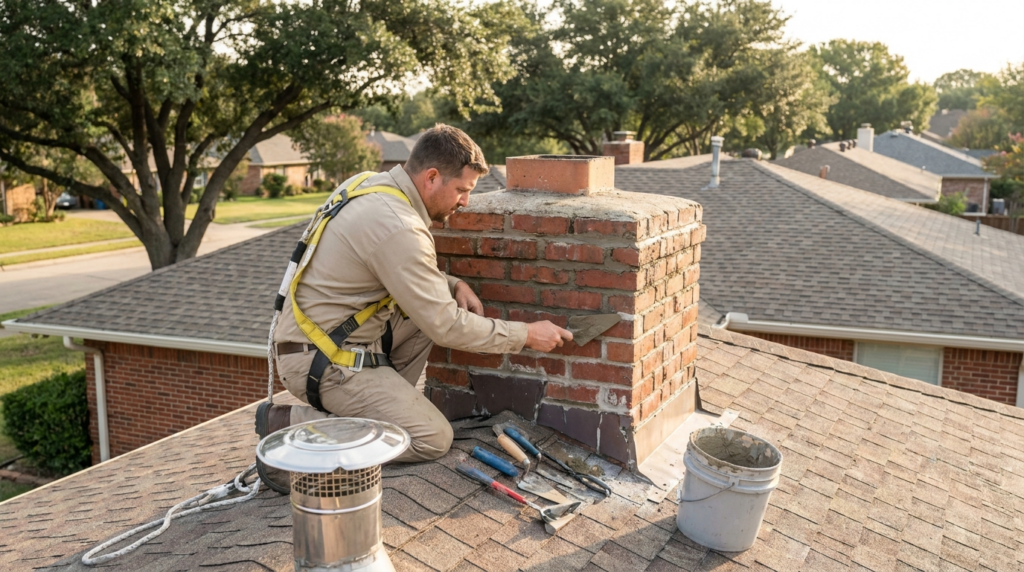
And there is the freeze-thaw factor. Hard freezes like the ones North Texas has taken in recent winters crack chimney crowns and mortar joints. Water gets into the masonry, and a damp flue interior condenses smoke even faster. So a chimney with crown damage often shows heavier buildup than the neighbor’s intact one, burning the same wood. If your crown or mortar is cracked, that is a chimney repair conversation worth having before burning season, not after.
As a rough rule, sweeps recommend cleaning once buildup reaches about an eighth of an inch anywhere in the system. Plenty of DFW fireplaces reach that in a single active season.
How Do Professional Sweeps Remove Creosote?
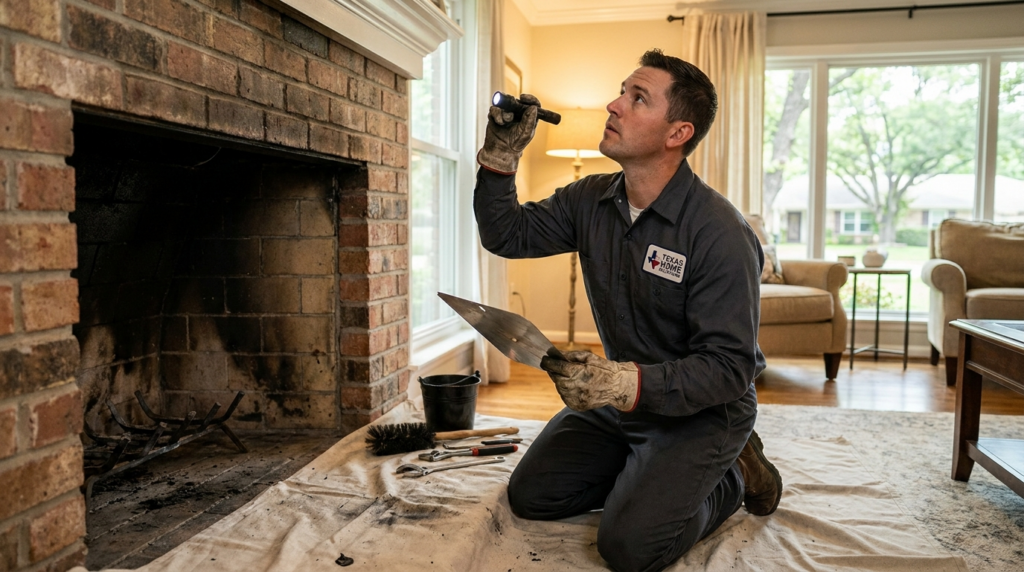
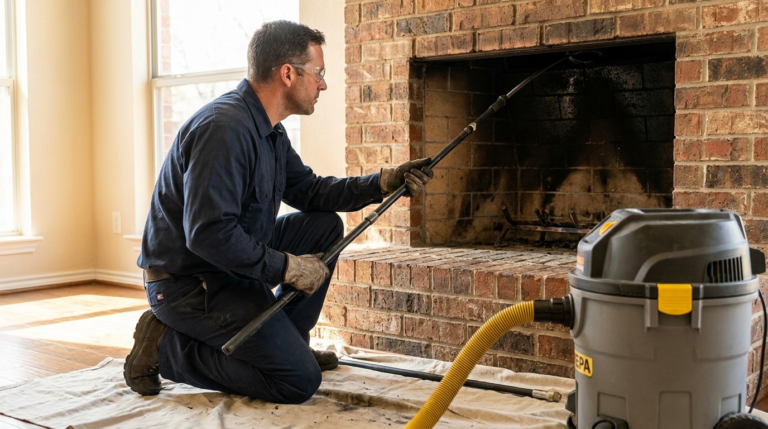
The method depends on the stage, but a proper job follows the same arc. The technician protects the room with drop cloths and runs a HEPA vacuum for dust control the whole time. Then the actual removal:
| Method | Best for | How it works | Time on site |
|---|---|---|---|
| Brush and rod sweeping | Stage 1 | Sized poly or wire brush run the full length of the flue | 45 to 90 minutes |
| Rotary cleaning | Stage 2 | Drill-driven whips scour hardened flakes off the liner | 1.5 to 3 hours |
| Chemical treatment | Stage 3 glaze | A modifier converts glaze to a brushable ash over one or more visits | Multiple visits |
After the flue, the tech cleans the smoke chamber and shelf, checks the damper, and brushes out the firebox. If soot has stained the surround, a separate fireplace cleaning can bring that back. The visit should end with a visual inspection and photos, since removal is also the moment when liner cracks and firebox damage become visible.
What about DIY? Creosote sweeping logs and powders have their place, I think, as a supplement. They can dry out fresh deposits and make the next professional sweep more effective. What they cannot do is remove the debris, which falls and collects on the smoke shelf, or tell you whether your liner is cracked. Treat them like mouthwash: useful between dentist visits, not a replacement for the dentist.
What Does Creosote Removal Cost in Dallas and Fort Worth?
Numbers first, caveats after.
| Service | Typical DFW range | Notes |
|---|---|---|
| Standard sweep + inspection (ALC special) | $99.99 | Covers stage 1 buildup, one flue |
| Double chimney special (ALC) | $189.99 | Two flues, same visit |
| Market-rate standard sweep | $200 to $400 | What most DFW companies charge |
| Stage 2 rotary removal | $250 to $500 | Depends on flue height and access |
| Stage 3 chemical removal | $500 to $1,500+ | Multiple visits for heavy glaze |
| Camera inspection after suspected chimney fire | Often bundled | ALC repair inspections are free |
The caveats. Two-story flues cost more than one-story. Steep roofs and limited access add labor. And glaze pricing is honestly hard to quote sight unseen, because nobody knows how many treatment rounds hardened creosote will need until the first one is done. Any company quoting a firm stage 3 price over the phone is guessing.
The cheaper truth sits underneath the table: a $99.99 annual sweep, done every year, means you never see the stage 3 line item. Almost every glaze removal job we do is in a chimney that went five or more years without service.
How Can You Prevent Creosote Buildup?
You cannot prevent creosote entirely, but you can keep it at stage 1 forever, which is the whole game. Burn habits matter more than any product.
Homeowner checklist:
- Burn only seasoned hardwood, split and dried at least six months, with moisture under 20 percent. Oak, pecan, and mesquite all work well in North Texas once properly dried
- Store firewood off the ground, covered on top, open on the sides so air moves through it
- Open the damper fully before lighting and keep it open until the fire is completely out
- Build small, hot fires instead of big smoldering ones. Two or three logs burning bright beat six logs smoking
- Never burn trash, cardboard, wrapping paper, or treated lumber
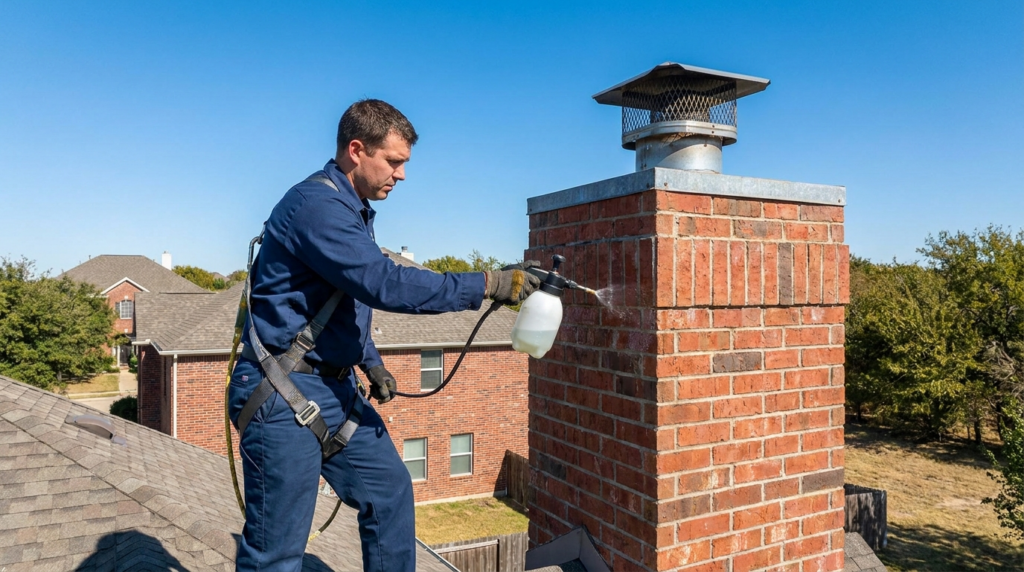
- Glance at the top of your chimney occasionally. Heavy black staining around the crown suggests heavy deposits inside
- Book your sweep in late summer, before the DFW fall rush turns into a three-week wait
- Get an annual inspection even in years you barely used the fireplace
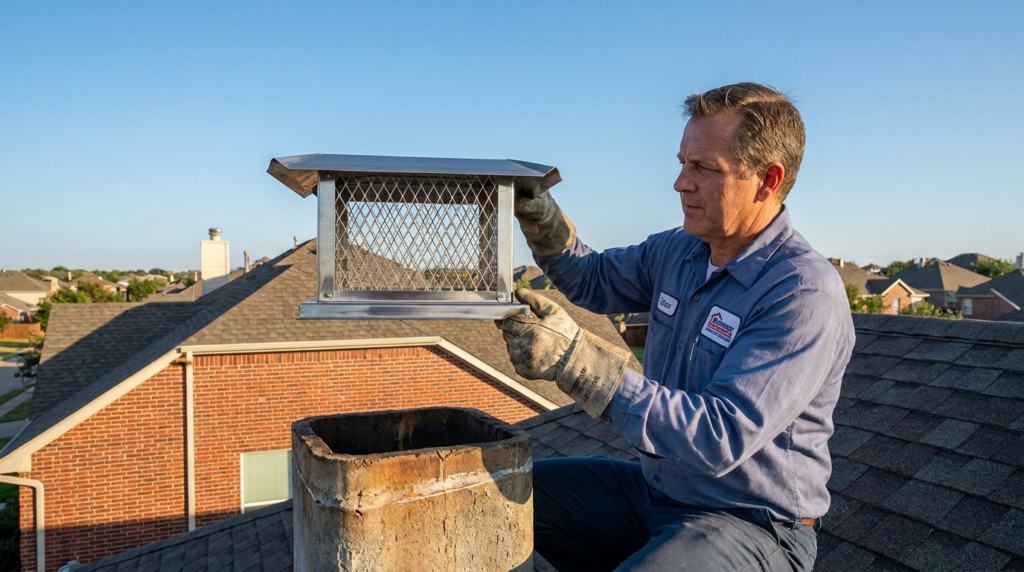
A working chimney cap helps too, perhaps more than people realize. Caps keep rain out of the flue, and a dry flue condenses less smoke. They also keep out birds and squirrels, whose nests restrict draft and create the smoldering conditions creosote loves. If yours is missing or rusted through, cap installation is one of the cheapest preventive fixes on the whole chimney.
When Should You Call a Professional?
Call sooner rather than later if any of these apply: you can see shiny or flaky black deposits when you look up past the damper, your fires smell tarry or smoke drifts into the room, you hear anything unusual during a fire, or you simply cannot remember the last sweep. That last one covers most people.
ALC Chimney Service is family-owned, CSIA-certified, licensed and insured, with 15+ years of combined experience and more than 10,000 jobs completed across DFW. We hold a 5.0 rating across 172 Google reviews. The $99.99 sweep and inspection special covers most homes, $189.99 covers double chimneys, and repair inspections are free. We serve the whole metroplex, from Fort Worth to Plano and McKinney, and you can find your city on our locations page.
Call (877) 656-0851 or book online. August and September appointments are the easy ones to get. By November, everyone in Dallas remembers they own a fireplace at the same time.
Frequently Asked Questions
How do I know if I have creosote buildup?
Open the damper, shine a flashlight up the flue, and scratch the wall with a fireplace poker. Powdery black dust is stage 1. Crunchy flakes are stage 2. A shiny, hard surface the poker will not scratch is stage 3 glaze. If you see an eighth of an inch or more of anything, schedule a sweep.
Is creosote dangerous even if I never have a chimney fire?
Yes. Creosote restricts draft, which pushes smoke and carbon monoxide back into your home. It is also corrosive to flue liners over time, and it smells, especially in humid Texas summers when the whole house can take on a campfire odor.
Do creosote sweeping logs actually work?
Partially. They release chemicals that dry and loosen fresh deposits, which helps. They do not remove anything, the loosened debris just falls onto the smoke shelf, and they do nothing for glaze. Use them between professional sweeps if you like, not instead of them.
How often should a chimney be cleaned in Texas?
Inspected once a year per NFPA 211, and cleaned whenever buildup reaches about an eighth of an inch. For a DFW fireplace used regularly through winter, that usually means an annual cleaning. Occasional users can sometimes stretch to two years, but only an inspection can confirm that safely.
What does glazed creosote look like?
Like someone poured tar down your flue and let it harden. It is smooth, shiny, often black or dark brown, and sometimes bubbled or layered. It reflects a flashlight beam, where normal soot absorbs it.
Can I remove creosote myself?
Stage 1, technically yes, with a properly sized brush, rods, and a lot of dust protection. But you will miss the smoke shelf and chamber, and you will have no idea whether the liner is cracked. Stages 2 and 3 need professional tools and chemicals. Given that a certified sweep with inspection runs $99.99 with ALC, DIY saves less than it seems to.
Does gas fireplace use cause creosote?
No. Creosote comes from wood smoke. Gas appliances produce other residues and their own venting concerns, so they still need annual inspection, but glaze buildup is a wood-burning problem.
Will a chimney fire always be obvious?
No, and this surprises people. Slow-burning chimney fires can come and go without anyone noticing. The damage shows up later: puffy expanded creosote, cracked tiles, a warped damper. If you have any reason to suspect one happened, stop using the fireplace and get a camera inspection before the next fire.
About the Author
Jonathan is a CSIA-certified chimney specialist at ALC Chimney Service with more than 15 years of hands-on experience sweeping, inspecting, and repairing fireplaces and chimneys across Dallas and the DFW metroplex. He has worked on thousands of residential chimney systems and writes to help North Texas homeowners keep their fireplaces safe, efficient, and up to NFPA and CSIA standards. Have a question about your chimney? Call ALC Chimney Service at (877) 656-0851 for a free inspection.
Find our chimney safety tips faster on Google