Expert Chimney Inspection Dallas, Tx.
A chimney inspection tells you whether your fireplace is safe to use before the cold weather sets in. Cracks, blockages, and creosote buildup hide where you cannot see them, and they are the leading causes of chimney fires and carbon monoxide leaks. Our certified technicians check every part of your system from the firebox to the flue, then give you a clear report on what is working and what needs attention. No upselling, no scare tactics, just an honest look at your chimney. Call now to schedule your inspection and get a straight answer about your fireplace.
What a Chimney Inspection Actually Covers
Most people assume a chimney is fine because it looks fine from the living room. The problem is that the parts that fail first are the ones you cannot see from a chair: the inner flue lining, the masonry behind the firebox, and the cap sitting on top of the structure.
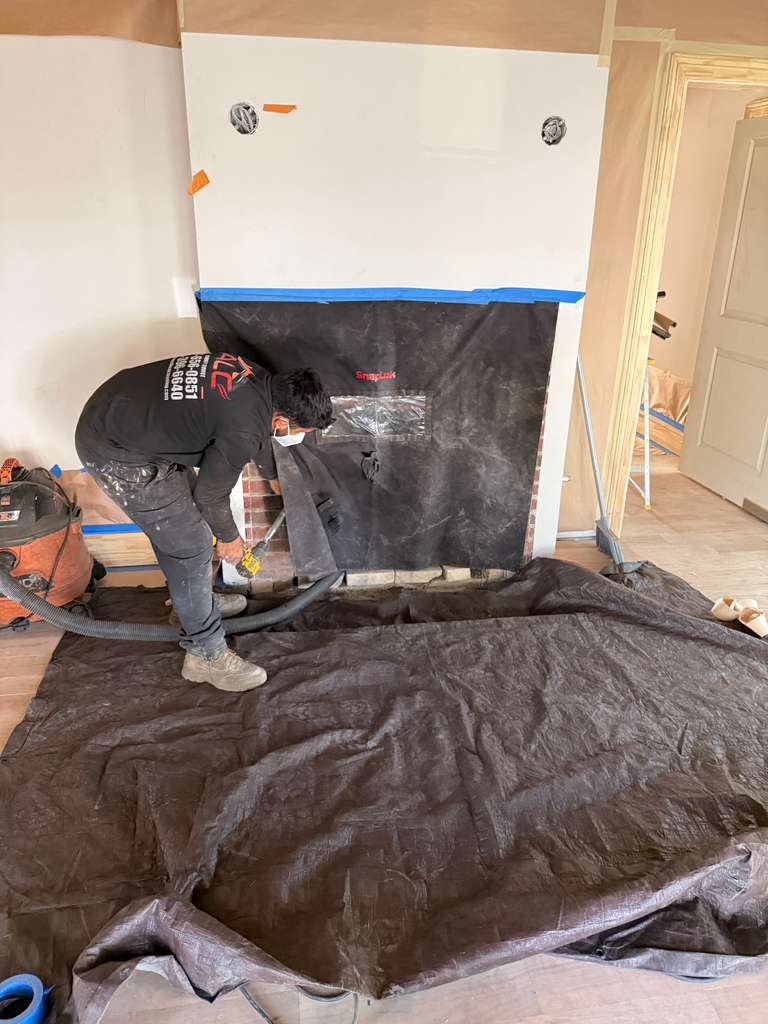
Our inspection follows the standards set by the Chimney Safety Institute of America, which means we work through your system in a set order rather than guessing. We start at the appliance or firebox, move up through the smoke chamber, then assess the flue and the exterior crown and cap. A technician checks for creosote, gaps in the mortar, water damage, animal nests, and any obstruction that could push smoke or gas back into your home.
When we finish, you get a written report with photos, not a verbal summary you have to take on faith. If something needs repair, we explain why and what happens if you leave it. If everything checks out, we tell you that too and you can light a fire that night with confidence.
Why This Service Is Important .
A chimney can develop problems slowly through heat, moisture, age, storms, and regular fireplace use. An inspection helps catch these issues before they turn into expensive repairs or unsafe operation. When you clean and inspect chimney systems on time, you can better understand soot levels, visible damage, water entry, liner condition, and airflow concerns. This service is especially useful before heavy seasonal use, after a home purchase, or when smoke, odor, or leaks appear.
- Finds Hidden Concerns
- Supports Safer Burning
- Helps Prevent Leaks
- Protects Fireplace Function
- Guides Repair Planning
- Improves Home Confidence

Common chimney problems we solve.
Chimneys fail in predictable ways, and most of the issues we find trace back to water, heat, or neglect. Here are the problems that show up most often during an inspection and what they mean for your home.
Creosote Buildup
Thick tar-like residue coats the flue walls and becomes a fire hazard once it reaches a quarter inch.
Cracked Flue Liner
Heat and age split the clay tiles, allowing gas and heat to reach combustible framing.
Water Damage
A failed crown or cap lets rain into the masonry, freezing and breaking the brick apart over time.
Blockages and Nests
Birds, squirrels, and debris clog the flue and trap dangerous gases inside the home.
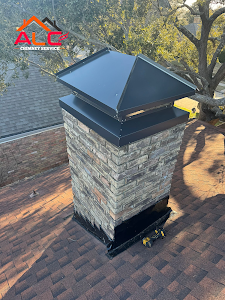
Damaged Chimney Cap
A rusted or missing cap exposes the flue to rain, animals, and downdrafts that spread smoke indoors.
Crumbling Mortar Joints
Eroded mortar between bricks weakens the entire structure and lets moisture travel deeper inside.
Which Chimney Service Do You Need? .
Chimney inspection + cleaning
Smoke entering the roomA blockage or draft issue is likely present — an inspection will locate the source and a thorough cleaning will restore proper airflow.
Chimney sweep
Black buildup inside chimneyThat dark coating is creosote — a flammable byproduct of burning wood that must be professionally removed to prevent chimney fires.
Chimney leak repair
Water leaking near fireplaceWater intrusion usually points to damaged flashing, a cracked crown, or deteriorating masonry — each of which lets rain travel directly into your home.
Chimney rebuild
Chimney leaning or badly damagedA leaning or severely compromised chimney is a structural safety hazard. A full rebuild is the appropriate solution when repairs are no longer sufficient.
Our Chimney & Fireplace Services.
01
Annual Safety Inspection
A full visual check of your chimney and flue to confirm the system is safe before burning season. Ideal for homeowners who use their fireplace regularly.
02
Real Estate Inspection
A detailed assessment for buyers and sellers that documents the chimney’s condition for the transaction. Includes a camera scan and a written report.
03
Post-Fire Inspection
A thorough evaluation after any chimney fire to identify hidden damage to the liner and structure before you use the fireplace again.
04
Video Flue Scan
A camera-guided look inside the flue to spot cracks, gaps, and buildup that a flashlight cannot reach. Often paired with a Level 2 inspection.
05
Chimney Cap Inspection
A focused check of the cap and crown to confirm they are keeping water, animals, and debris out of your flue.
06
Liner Inspection
A close assessment of the flue lining to catch the cracks and deterioration that lead to gas leaks and fire risk.
Our chimney repair Process
This structured process eliminates confusion. Homeowners know what is happening at each stage.
01
Inspection
A certified technician examines your chimney system from the firebox up to the cap, following the proper inspection level for your situation.
02
Diagnosis
We identify exactly what is wrong, whether it is creosote, a cracked liner, water damage, or a blockage, and explain the cause.
03
Estimate
You receive a clear, itemized quote for any repairs or cleaning needed, with no hidden fees or surprise charges later.
04
Repair or Cleaning
Our team handles the work using the right materials and methods for your chimney, and we do it once, correctly.
05
Final Review
We re-inspect the completed work to confirm everything meets safety standards before we consider the job done.
Why Choose Us
We have spent years inspecting chimneys across a wide range of homes, from new construction to century-old masonry, and that experience shows up in what we catch that others miss. Our technicians are certified, our reports are documented with photos, and we charge a flat, honest rate for the inspection itself. We do not invent problems to sell repairs, and plenty of our inspections end with us telling you the chimney is fine. When repairs are needed, we explain the reasoning and let you make the call.
- Certified Technicians
- Photo Documentation
- Honest Assessments
- Flat Inspection Pricing
- Fast Scheduling
- Workmanship Guarantee

Local Chimney Inspection Service Areas
We provide chimney inspection and repair throughout the Dallas-Fort Worth metroplex and the surrounding communities. Whether you are in a newer subdivision or an older neighborhood with original masonry, our technicians know the local building styles and the common problems that come with them. We cover both residential and light commercial properties, and we schedule around your availability. If you are not sure whether your address falls within our coverage, give us a call and we will let you know right away. Most areas can be booked within a few days, and emergency leak service is available when water is actively getting into your home.
- Fort Worth
- Irving
- Plano
- Allen
- McKinney
- Mesquite
- Richardson
- Garland
- Frisco
- Get In Touch!
Schedule Free Inspection
Service packages & promos.
Chimney Sweep Promo
Individual Plan- Chimney Inspection
- Fireplace Inspection
- Fireplace Cleaning
- Fireplace Safety
Double Chimney
Individual Plan- Inspect 2 Chimneys
- Inspect 2 Fireplaces
- Level 1 cleaning of 2 Fireplaces
- Fireplace safety x2
Chimney Repair Inspection
Individual Plan- Inspection of Issue
- Inspection of Creosote Buildup
- Inspection of Chimney Cap
- Inspection of Fireplace
Hear from Our Satisfied Customers


We shouldn’t need anything else done again for a while but ALC has a new customer for life!

Frequently Asked Questions.
Had another question ?
How much does a chimney inspection cost?
A standard Level 1 inspection typically runs between $100 and $250, depending on the system and access. A Level 2 inspection with a camera scan costs more because of the added time and equipment, usually $250 to $500. We give you the exact price before booking, so there are no surprises.
How often should I get my chimney inspected?
The standard recommendation is once a year, ideally before burning season. If you use your fireplace heavily, had a chimney fire, changed appliances, or are buying or selling the home, you should schedule sooner.
What is the difference between a Level 1 and Level 2 inspection?
A Level 1 inspection is a visual check of the readily accessible parts of your chimney and is right for routine annual maintenance. A Level 2 inspection adds a video scan of the flue interior and a check of accessible attic, crawl space, and roof areas. It is required for property sales, after a chimney fire, or when you change the appliance connected to the flue.
Do I need to clean my chimney before an inspection?
No. The inspection comes first so we can assess the actual condition, including how much creosote has built up. If cleaning is needed, we will tell you and can often handle it during the same visit.
Is a Level 2 chimney inspection required when selling a house?
In most cases, yes. A Level 2 inspection is the standard for real estate transactions because it documents the chimney’s condition for the buyer and lender. We provide the written report you need for the sale.
Can you inspect a chimney that has not been used in years?
Yes, and we recommend it. Unused chimneys are common spots for animal nests, water damage, and deterioration. An inspection tells you whether it is safe to start using again or what needs to be addressed first.